
Beyond Itch Control: Why Skin Barrier Repair Matters in the Management of Canine and Feline Atopic Dermatitis
Atopic dermatitis (AD) is one of the most common chronic dermatologic diseases affecting dogs and, to a lesser extent, cats. While pruritus is often the most noticeable clinical sign, AD is a complex condition involving both immune dysregulation and impaired skin barrier function.
Advances in veterinary medicine—including Janus kinase (JAK) inhibitors and other targeted therapies—have significantly improved itch control and patient comfort. However, systemic therapies do not restore the skin's protective barrier or address changes occurring at the skin surface.
For this reason, topical therapy remains an important component of multimodal dermatologic care. In addition to cleansing the skin and managing microbial overgrowth, appropriately formulated topical products help support epidermal barrier function and long-term skin health.
Pivetal® Suffusion™ K was developed with this comprehensive approach in mind by combining proven antimicrobial ingredients with a proprietary Skin-Identical Lipid Complex to support healthy skin barrier function.
Atopic Dermatitis Is More Than an Itch Disorder
Healthy skin functions as the body's first line of defense by:
- Helping retain moisture
- Limiting penetration of allergens and irritants
- Supporting a balanced skin microbiome
- Protecting against opportunistic microorganisms
When the barrier becomes compromised, a self-perpetuating cycle of itch, scratching, inflammation, and secondary bacterial or yeast overgrowth can develop. Successful long-term management addresses both inflammation and restoration of the skin barrier.
Why Topical Therapy Matters
While systemic medications effectively target itch and inflammation, they do not physically repair the epidermal barrier or cleanse the skin surface.
Topical therapy complements systemic treatment by helping to:
- Remove allergens and debris
- Cleanse areas affected by bacterial and yeast overgrowth
- Support hydration
- Maintain normal barrier function
- Condition the skin and coat
- Provide ongoing support between flare-ups
Barrier-Supportive Ingredients
Pivetal® Suffusion™ K incorporates a proprietary Skin-Identical Lipid Complex designed to support healthy epidermal function.
| Ingredient | Function |
| Ceramides (NP, AP & EOP) | Help replenish the lipid barrier and reduce transepidermal water loss. |
| Phytosphingosine | Supports ceramide metabolism and healthy skin structure. |
| Cholesterol & Free Fatty Acids | Essential components of a healthy epidermal lipid matrix. |
| Avenanthramides | Naturally derived oat compounds that help condition and soothe irritated skin while providing antioxidant support. |
Managing Microbial Imbalance
Compromised skin barriers frequently allow bacterial and yeast populations to proliferate more readily.
Pivetal® Suffusion™ K combines two well-established topical ingredients:
- Chlorhexidine – A broad-spectrum antiseptic commonly used to cleanse the skin and help manage bacterial populations.
- Ketoconazole – A topical antifungal ingredient used in products intended for skin conditions responsive to fungal organisms.
Complementing Systemic Therapy
Modern systemic therapies—including JAK inhibitors—provide rapid relief from itch and inflammation. However, they do not restore depleted epidermal lipids, repair the skin barrier, remove allergens from the skin surface, or cleanse areas affected by microbial overgrowth.
By combining systemic therapy with barrier-supportive topical care, clinicians can address both the clinical signs of atopic dermatitis and the skin environment that contributes to recurring flare-ups.
Why Choose Pivetal® Suffusion™ K?
Pivetal® Suffusion™ K was developed to support comprehensive dermatologic care by combining:
- Broad-spectrum topical cleansing
- Antifungal support
- Proprietary Skin-Identical Lipid Complex
- Barrier-supportive ingredients
- Skin-conditioning technology
Clinical Applications
Pivetal® Suffusion™ K may be incorporated into individualized dermatologic protocols for:
- Initial management of flare-ups alongside systemic therapy
- Routine maintenance following flare resolution
- Seasonal allergy management
- Patients experiencing recurrent bacterial or yeast overgrowth
- Long-term skin conditioning as part of an individualized care plan
Looking Beyond Clinical Signs
Successful management of atopic dermatitis extends beyond controlling itch.
Supporting skin barrier integrity alongside microbial management helps promote healthier skin over time and complements the benefits of systemic therapies.
Pivetal® Suffusion™ K reflects today's multimodal approach to veterinary dermatology by combining proven antimicrobial ingredients with a proprietary Skin-Identical Lipid Complex to help veterinarians support healthy skin barrier function throughout every stage of patient care.
Share
Related blogs
Now Available: 16 New Cat Medications, Treatments and Wellness Products
A recent spike in cat ownership is good news – and the even better news? There are now more medications than ever to treat cats with.
What is in store for microchip technology?
For many pet owners and veterinary professionals, microchipping is considered a standard part of responsible pet care. Yet despite widespread adoption, the core technology behind pet microchips has remained largely unchanged for decades. Learn more about how this technology may be quickly evolving.
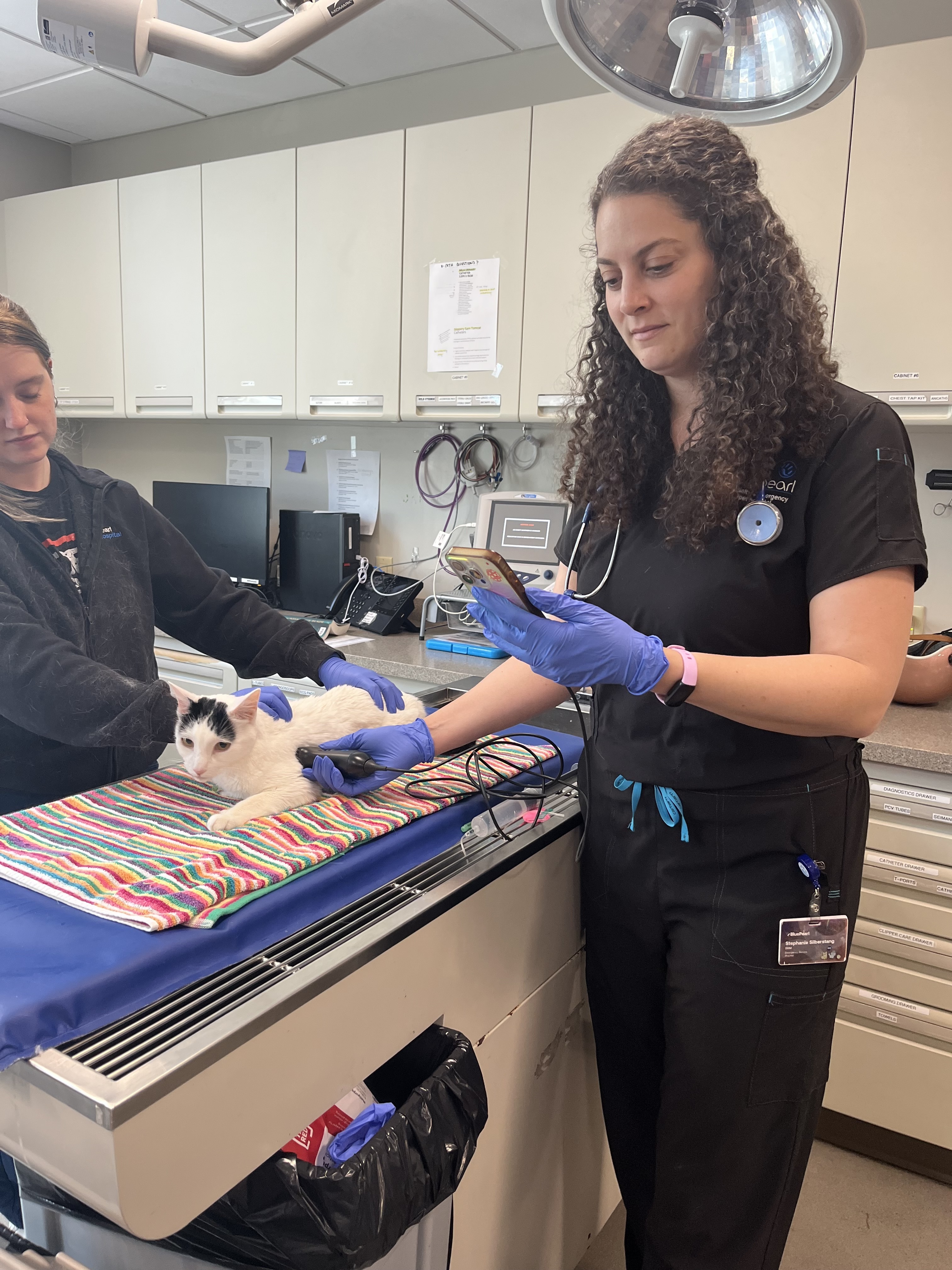
3 Simple Steps to Bring Cat-Friendly POCUS into Your Practice
With a few thoughtful adjustments, you can reduce patient stress, improve image quality, and create a better experience for both cats and their caregivers.