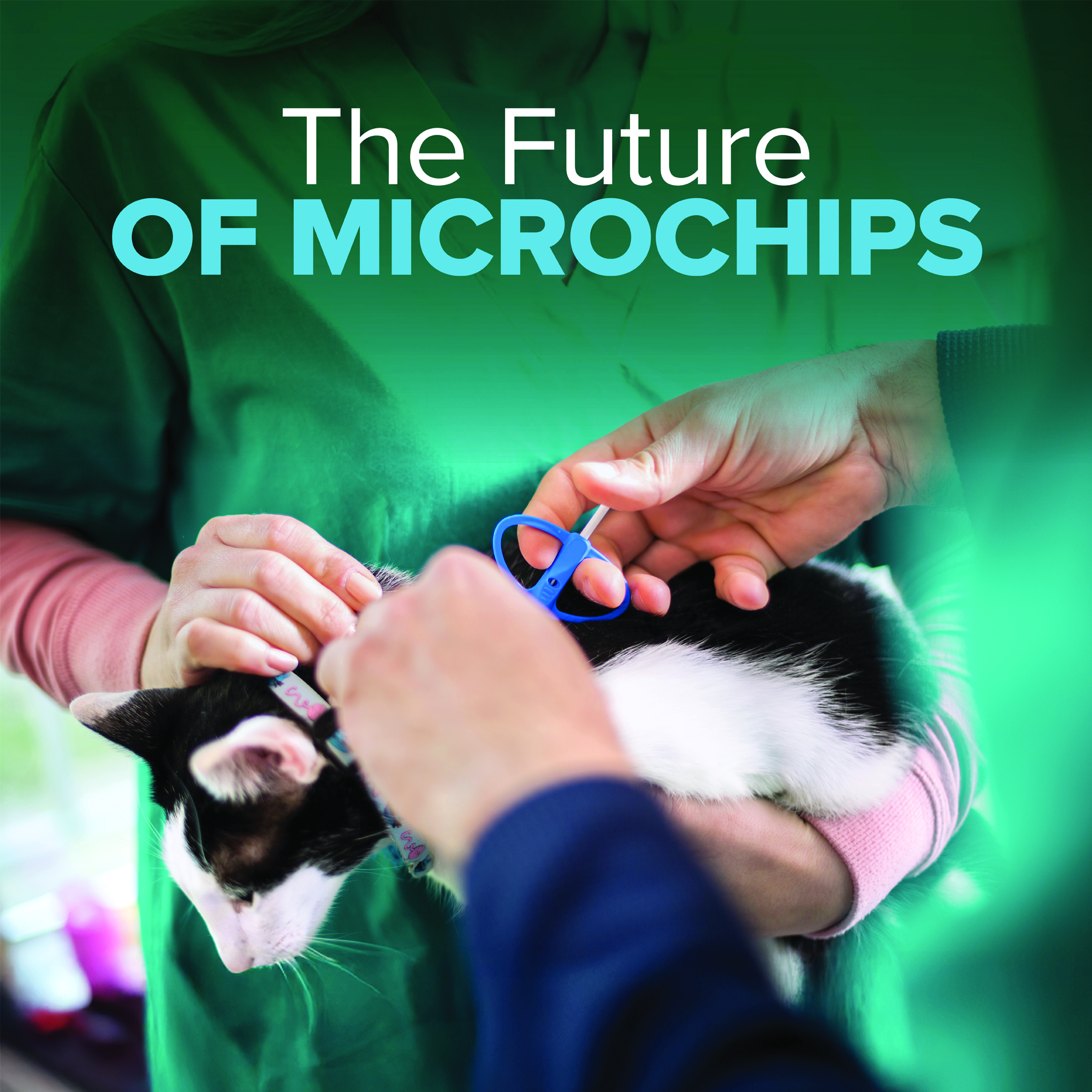
Modern pet microchips are based on radio frequency identification, or RFID. These small passive devices are implanted beneath the skin of an animal, typically between the shoulder blades. Each chip contains a unique identification number that can be read by a handheld scanner. When scanned, the chip briefly activates and transmits
its identification number back to the reader, allowing the number to be matched with a database containing the pet owner's contact information.
The international standards governing pet microchips are ISO 11784 and ISO 11785. Developed in the early 1990s, these standards define the structure of the identification number and the communication protocol used between the microchip and scanner. The standards are supported by the International Committee for Animal Recording (ICAR), which oversees compliance within the animal Identification industry.
While these standards created interoperability across the industry, they also effectively froze the underlying technology in time. The basic functionality of pet microchips today is nearly identical to what was introduced more than thirty years ago. Microchips still serve primarily as passive RFID devices that transmit only a simple identification number, while scanners have changed very little in their core operation.
THE NEED TO MODERNIZE
Millions of pets are microchipped annually throughout North America and around the world through veterinary clinics, shelters and rescue organizations. Despite this widespread adoption, the technology still depends heavily on external databases, manual registration systems and localized scanning. In many ways, the pet microchip ecosystem continues to rely on infrastructure designed decades ago.
This stagnation has become more apparent as other technologies have advanced rapidly. In an era of cloud computing, smartphones and real-time connectivity, pet identification systems still depend heavily on isolated databases and fragmented recordkeeping. The industry is increasingly recognizing the need for modernization.
SHORTCOMINGS OF CURRENT SYSTEMS
One of the most important examples of this vulnerability occurred when a pet microchip and registration company went out of business, resulting in the loss of its registration database. Pet owners who had registered their animals through that system suddenly discovered their information was no longer available. Thousands of pet owners were forced to re-register their animals in new databases to ensure their pets could still be identified if lost.
The incident exposed a significant weakness in the pet microchip ecosystem when a single company controls both the hardware and the only copy of the registration data. If the database disappears, the connection between the animal and owner may also disappear.
ICAR standards already include safeguards intended to reduce this type of risk. ICAR requires manufacturers to maintain records showing where each microchip number was shipped. These records create a secondary pathway for tracing the origin of a microchip even if a registration database is lost.
For veterinary clinics, understanding this aspect of the supply chain is important when purchasing microchips. Manufacturers should maintain records of the clinic, shelter or organization that received each chip number.
If a registration database is lost, those manufacturing records may provide an alternative method for tracing the animal's origin.
Unfortunately, this level of traceability is not always preserved throughout the distribution process. In many cases, manufacturers sell large quantities of chips to distributors rather than directly to veterinary clinics. When this occurs, the distributor becomes the final recorded destination for the microchip numbers. If the distributor later sells those chips to multiple clinics, the original manufacturer may have no record of the final destination of individual chips.
FIXING THE GAP
This gap undermines the secondary verification safeguards ICAR standards were designed to provide, In response, some companies are beginning to modify distribution models to support direct shipment to veterinary clinics through distributors while still preserving ICAR-compliant shipping records. By maintaining visibility into the final clinic destination of each microchip number, manufacturers can better preserve traceability and long-term record integrity.
Additional layers of protection are also being introduced by separating the manufacturing and registration functions. In these systems, the microchip number is maintained not only within the manufacturer's database for ICAR traceability, but also within independent pet recovery and registration databases. Once a microchip is shipped, the clinic destination may be recorded by the manufacturer while the chip is simultaneously pre-registered within a recovery database. This layered approach creates multiple independent records for each microchip number and reduces the risk of data loss if a single company or database fails.
NEWER INNOVATIONS
While identification capabilities have remained largely unchanged, newer innovations are beginning to expand the role of pet microchips beyond identification alone. One of the most significant developments has been the Introduction of temperature-sensing microchips that incorporate biosensors capable of measuring body temperature.
Traditional veterinary temperature measurement often requires rectal thermometers, which can create stress for both animals and veterinary staff.
Temperature-sensing microchips allow veterinarians to obtain temperature readings through a simple microchip scan. Early versions of these systems faced limitations related to accuracy, with some devices measuring temperatures within approximately ±0.18° Celsius and others showing larger variations exceeding ±0.4° Celsius.
More recent generations of temperature-sensing microchips have improved significantly and can achieve accuracy levels near ±0.1° Celsius. This level of precision is considered clinically relevant and has already gained traction within research and veterinary environments where accurate physiological monitoring is important.
USING MICROCHIPS TO MONITOR HEALTH
The implications of reliable temperature monitoring are significant. Temperature is one of the most fundamental indicators of health. In veterinary medicine, animals cannot describe symptoms or discomfort, forcing veterinarians to rely heavily on observation and diagnostic testing. Accurate temperature monitoring may help identify illness earlier, improve routine examinations and support ongoing health monitoring.
These benefits extend into surgical and post-operative care as well. Maintaining
One of the most significant developments has been the introduction of temperature-sensing microchips that incorporate biosensors capable of measuring body temperature.
proper body temperature during and after surgery is critical for safe recovery from anesthesia. Animals that become hypothermic during recovery may experience delayed healing and additional complications. Temperature-sensing microchips can help veterinary teams monitor patients more efficiently and support biofeedback warming systems designed to maintain safe recovery temperatures.
RFID technology is also beginning to integrate with broader automation systems within the pet care industry. Automated RFID-controlled pet doors can selectively grant access to specific animals, improving household safety and preventing unwanted entry by other pets or wildlife. Smart feeding systems using RFID identification can recognize individual animals and collect information such as feeding frequency. feeding time, body temperature and the amount of food consumed.
These systems may provide veterinarians and pet owners with valuable behavioral and physiological data that could help detect stress, illness or recovery problems earlier than traditional observation alone. As Integration between RFID systems, cloud-based veterinary records and mobile applications improves, pet microchips may become part of larger connected health ecosystems.
WHAT'S NEXT?
Future technological advancements are likely to reshape the pet microchip industry even further, Next-generation microchips may support more advanced biosensors, improved interoperability between veterinary systems and better integration with cloud-based health records. These developments could allow veterinarians and pet owners to access real-time health metrics, monitor recovery after surgery and identify early warning signs of illness more effectively.
Improvements in data infrastructure may also strengthen pet recovery systems by reducing reliance on single databases and improving long-term data preservation. Enhanced interoperability between manufacturers, registries and veterinary clinics could create more resilient identification networks that better protect pet owners from future data loss events.
After decades of minimal technological advancement, the pet microchip industry is beginning to evolve toward more integrated and data-driven systems. The original RFID identification concept solved an important problem, but modern veterinary care increasingly demands technologies capable of supporting both identification and health monitoring.
As these technologies continue to mature, pet microchips will likely evolve from simple identification devices into broader platforms supporting proactive veterinary care, improved diagnostics, automated monitoring systems and faster reunification of lost animals with their families. The future of pet identification lies not only in recovering lost pets, but also in improving animal health, enhancing veterinary care and strengthening the bond between pets and the families who care for them.
Share
Related blogs
Now Available: 16 New Cat Medications, Treatments and Wellness Products
A recent spike in cat ownership is good news – and the even better news? There are now more medications than ever to treat cats with.
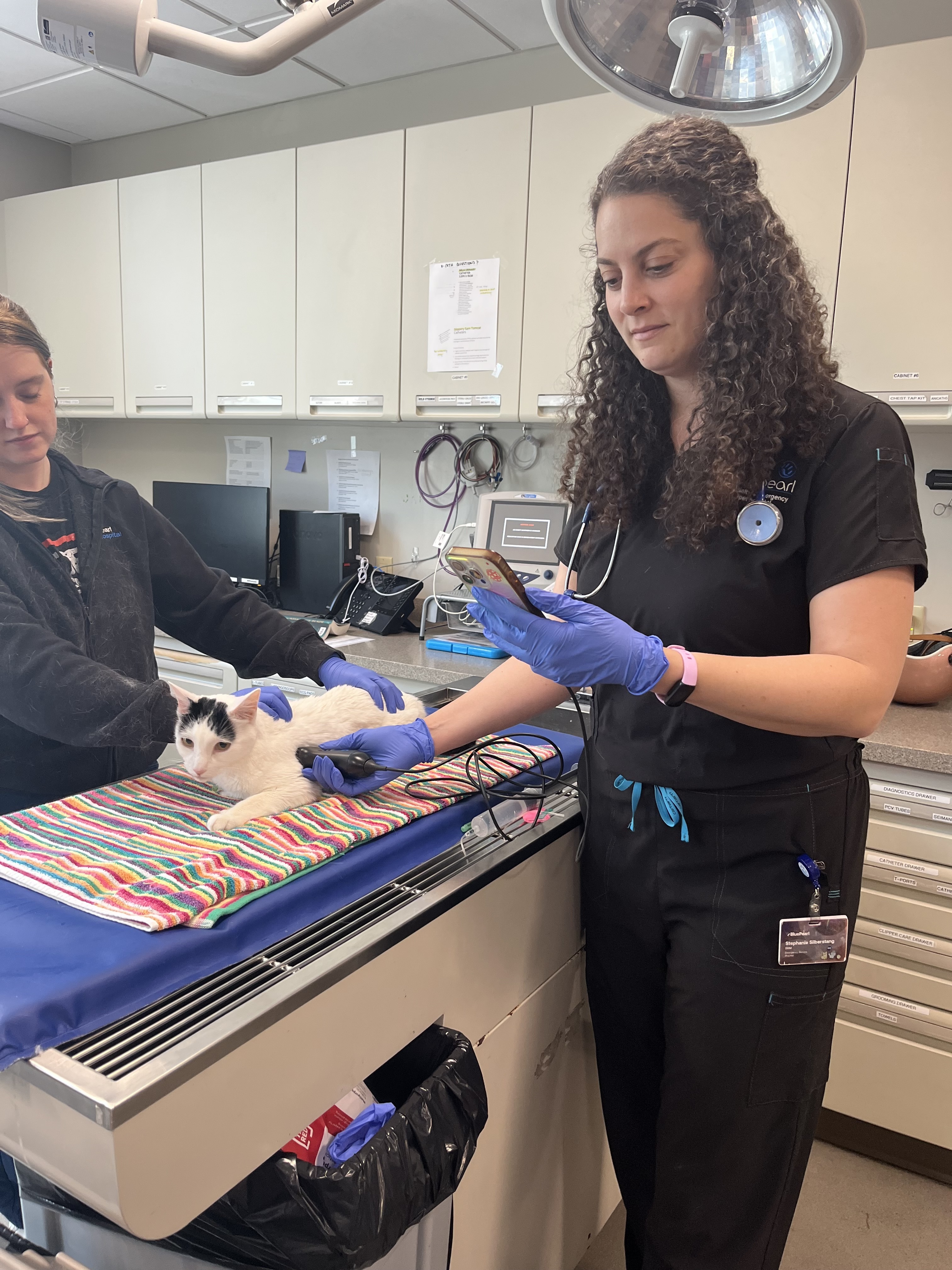
3 Simple Steps to Bring Cat-Friendly POCUS into Your Practice
With a few thoughtful adjustments, you can reduce patient stress, improve image quality, and create a better experience for both cats and their caregivers.

Beyond Itch Control: Why Skin Barrier Repair Matters in the Management of Canine and Feline Atopic Dermatitis
A modern, multimodal approach to long-term skin health.