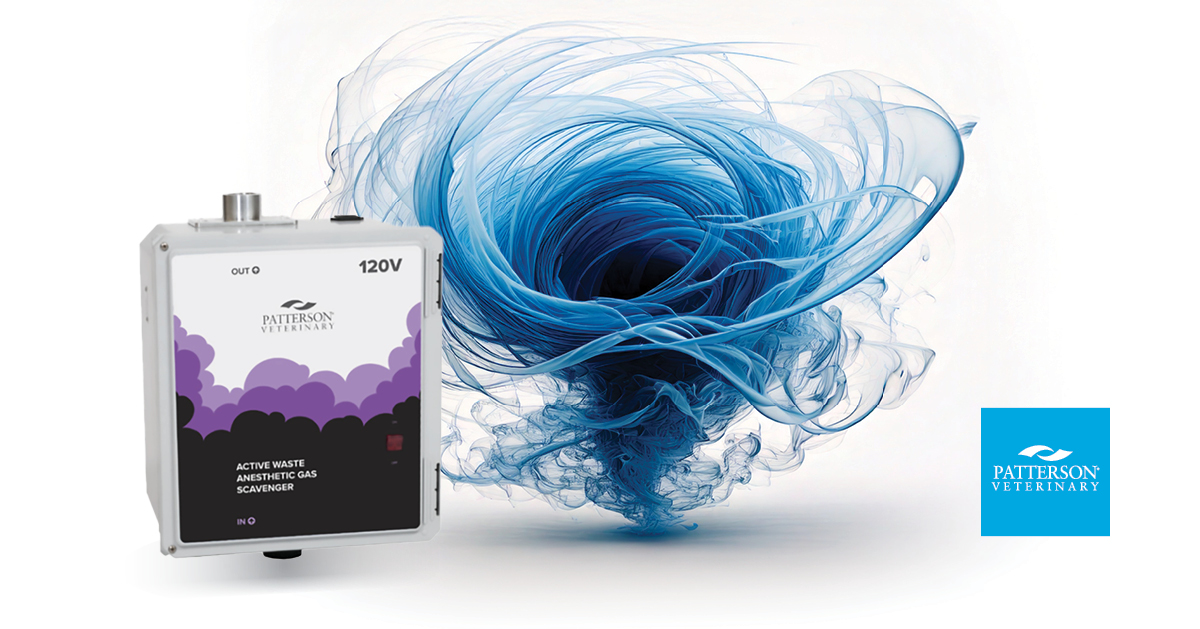
Waste anesthetic gases can accumulate in operating rooms, treatment areas, and recovery spaces - especially during mask induction, intubation, patient movement, or when working with small and exotic animals. Even well-maintained anesthesia equipment can leak trace amounts. Over time, repeated low-level exposure can affect the health and wellbeing of veterinary teams.
The Occupational Safety and Health Administration (OSHA) recognizes waste anesthetic gases as an occupational hazard for healthcare workers, including those in veterinary settings. While OSHA does not set a specific permissible exposure limit for modern anesthetic agents, it emphasizes the importance of engineering controls - such as effective scavenging systems and proper ventilation - to reduce workplace exposure. Symptoms linked to chronic exposure can include headaches, dizziness, fatigue, nausea, and irritation of the eyes and respiratory tract. Longer-term concerns raised in occupational health research include possible reproductive and organ health effects.
This is where waste anesthetic gas scavenging systems become essential. Scavengers are designed to capture excess anesthetic gases from anesthesia circuits and safely vent them away from occupied spaces. Active systems are often fan based or use vacuum suction, while passive systems rely on pressure gradients to direct gases out of the building. When properly installed and maintained, these systems significantly reduce ambient anesthetic gas levels in clinical areas.
Beyond protecting staff health, scavenging systems support better patient care and team performance. A safer work environment means clearer thinking, better communication, and reduced fatigue for veterinary professionals. There’s also an environmental benefit: many inhalant anesthetics are potent greenhouse gases, so minimizing leaks helps reduce a clinic’s environmental footprint. *this statement is partially true…only charcoal canisters would prevent gases from entering the environment as all active scavengers and passive collection that are vented to the outside leak into the environment. However, if you use charcoal canisters, you are then tossing them in the garbage. So not sure we are really reducing carbon footprint.
Ultimately, investing in waste anesthetic gas scavengers isn’t just about compliance or equipment upgrades - it’s about creating a safer, healthier, and more sustainable workplace. By prioritizing scavenging systems, routine equipment maintenance, and staff training, veterinary practices demonstrate a commitment to the wellbeing of their teams, their patients, and the planet.
Share
Related blogs
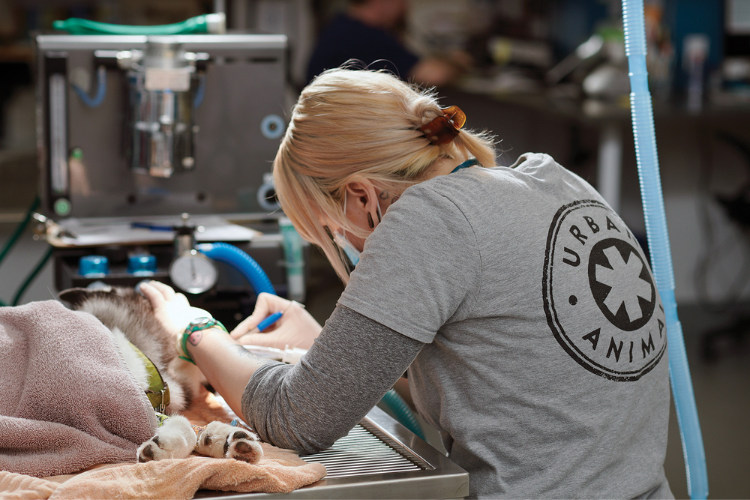
4 Ways to Create Elbow Room with Space-Saving Anesthesia Equipment
With needing to accommodate a table, a patient, the care team, the instrument tray and equipment, even the largest surgical and dental suites can fill up fast in a veterinary practice. Wouldn't a little elbow room be nice? We gathered four strategies for decreasing the space anesthesia equipment takes.
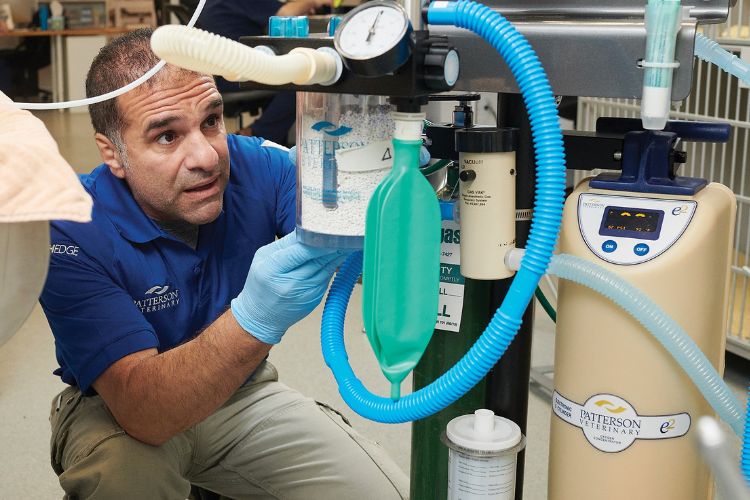
6 Keys to Anesthesia Success
The safe and efficient delivery of anesthetics is a crucial component to veterinary care. We've gathered a list of 6 resources that can help practices maintain the quality of their anesthesia programs.