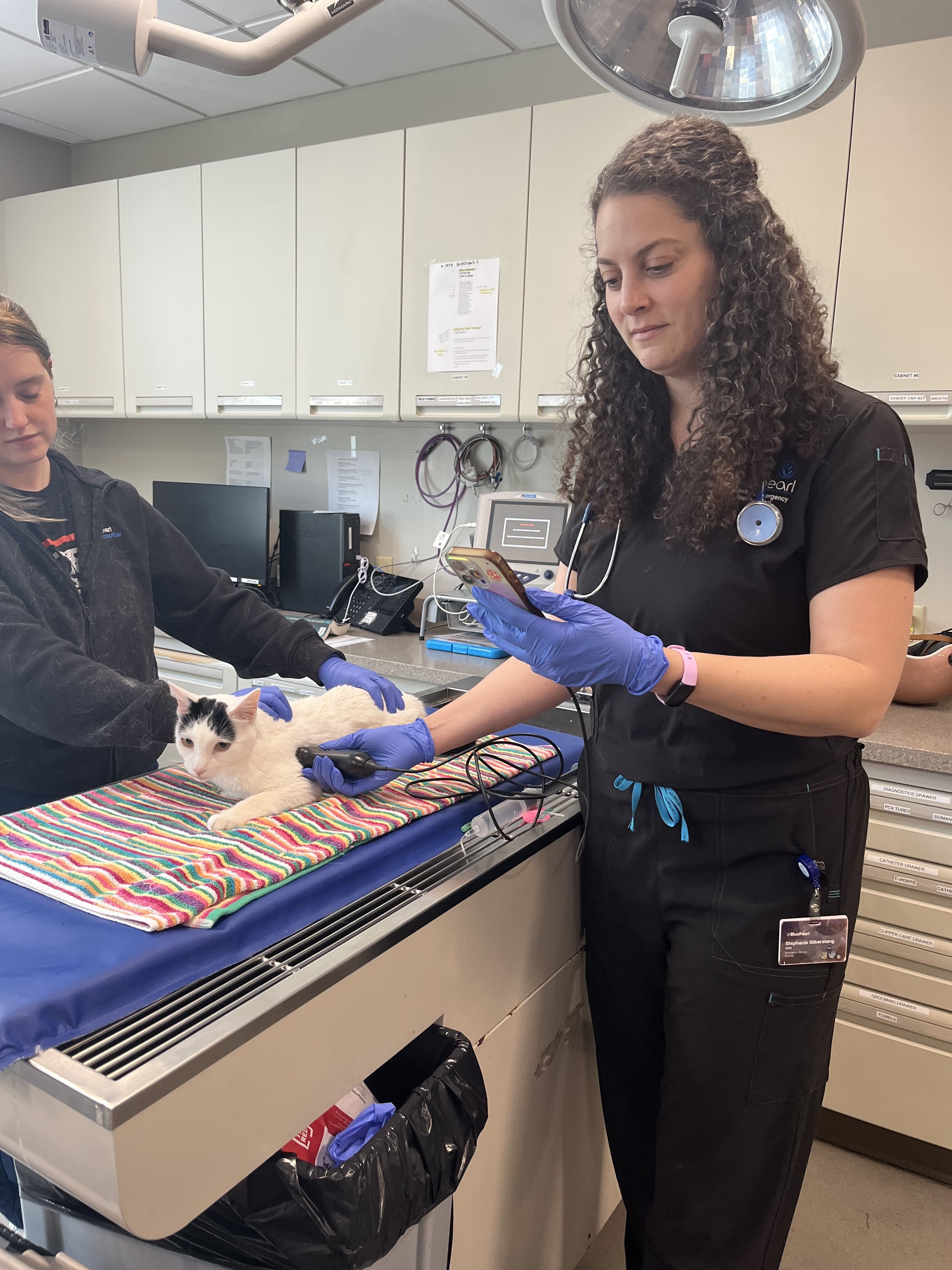
The good news? The ultrasound skillset required to perform POCUS can be quickly learned by general practitioners, and creating a cat-friendly POCUS experience doesn't require major changes to your workflow. With a few thoughtful adjustments, you can reduce patient stress, improve image quality, and create a better experience for both cats and their caregivers.
1. Start with Cat Friendly handling, not restraint.
The best ultrasound exam begins before the probe ever touches the patient.Current feline handling guidelines emphasize minimizing fear, stress and anxiety by allowing cats to maintain a sense of control whenever possible. Gentle handling, slow movements, and avoiding unnecessary restraint can significantly reduce stress during veterinary visits. Rather than stretching limbs or forcing patients into uncomfortable positions, POCUS can be performed in the position the cat is most comfortable in. Research shows that many cats tolerate procedures better when handling is individualized to their comfort level rather than relying on firm restraint. Additionally, a stress-free visit for both the cat and their caretaker will result in improved client retention and adherence to recommended care.
2. Build your workflow around the cat, not the equipment
Creating a cat-friendly ultrasound experience extends beyond handling. Small adjustments to your environment and equipment can make a meaningful difference in patient comfort.Simple changes can help cats feel more secure:
- Scan patients on a soft towel or non-slip blanket.
- Allow cats to remain on familiar bedding or in their carrier whenever possible.
- Give patients the option to hide partially under a towel or remain in the bottom half of their carrier.
- Reduce loud noises and unnecessary activity in the exam room.
- Whenever appropriate, allow caregivers to remain with their cat during the examination.
This patient-centered approach is one reason Butterfly is the first and only ultrasound device recognized as a sponsor of the Cat Friendly Practice® program. Its portability, whole-body imaging with a single probe, and intuitive workflow make it easy to incorporate POCUS into feline appointments while supporting the low-stress handling principles that Cat Friendly Practices strive to achieve.
3. Not sure where to start? Consider the bladder.
If you're new to POCUS, the urinary bladder is one of the best places to begin. The bladder is a reliable, easily-identifiable organ to gain experience and build confidence. In fact, most disorders of the bladder can be readily identified on ultrasound making it the diagnostic modality of choice. A focused bladder scan can provide valuable information about urinary health, including bladder size, wall thickening, sediment, uroliths, and other abnormalities that may warrant additional investigation. For cats presenting with lower urinary tract signs, bladder POCUS can become a valuable extension of the physical examination to facilitate next diagnostic and treatment steps.For many practices, incorporating bladder POCUS into urinary appointments is an easy first step toward building ultrasound confidence. Because Butterfly makes handheld ultrasound more affordable than traditional cart-based systems, practices can often realize a return on investment quickly by integrating focused POCUS examinations into their everyday workflow.
Small changes, big impact.
A cat-friendly approach to POCUS benefits the patient, caregiver, and veterinary team alike. By reducing stress and prioritizing patient comfort, practices can create safer, more efficient examinations while obtaining valuable, real-time diagnostic information. The result is greater confidence in care recommendations, stronger client relationships, and better long-term health outcomes for feline patients.If you’d like to learn more about Butterfly Ultrasound, you can visit us online at https://vet.butterflynetwork.com/
Resources:
Swanstein, H, Boysen, S, Cole, L. J. Feline Med Surg 2024 Sep 10; 26(9)
Rodan, I, et al. J Feline Med Surg 2022 Nov;24(11):1093-1132
2022 AAFP/ISFM Cat Friendly Veterinary Interaction Guidelines
Share
Related blogs
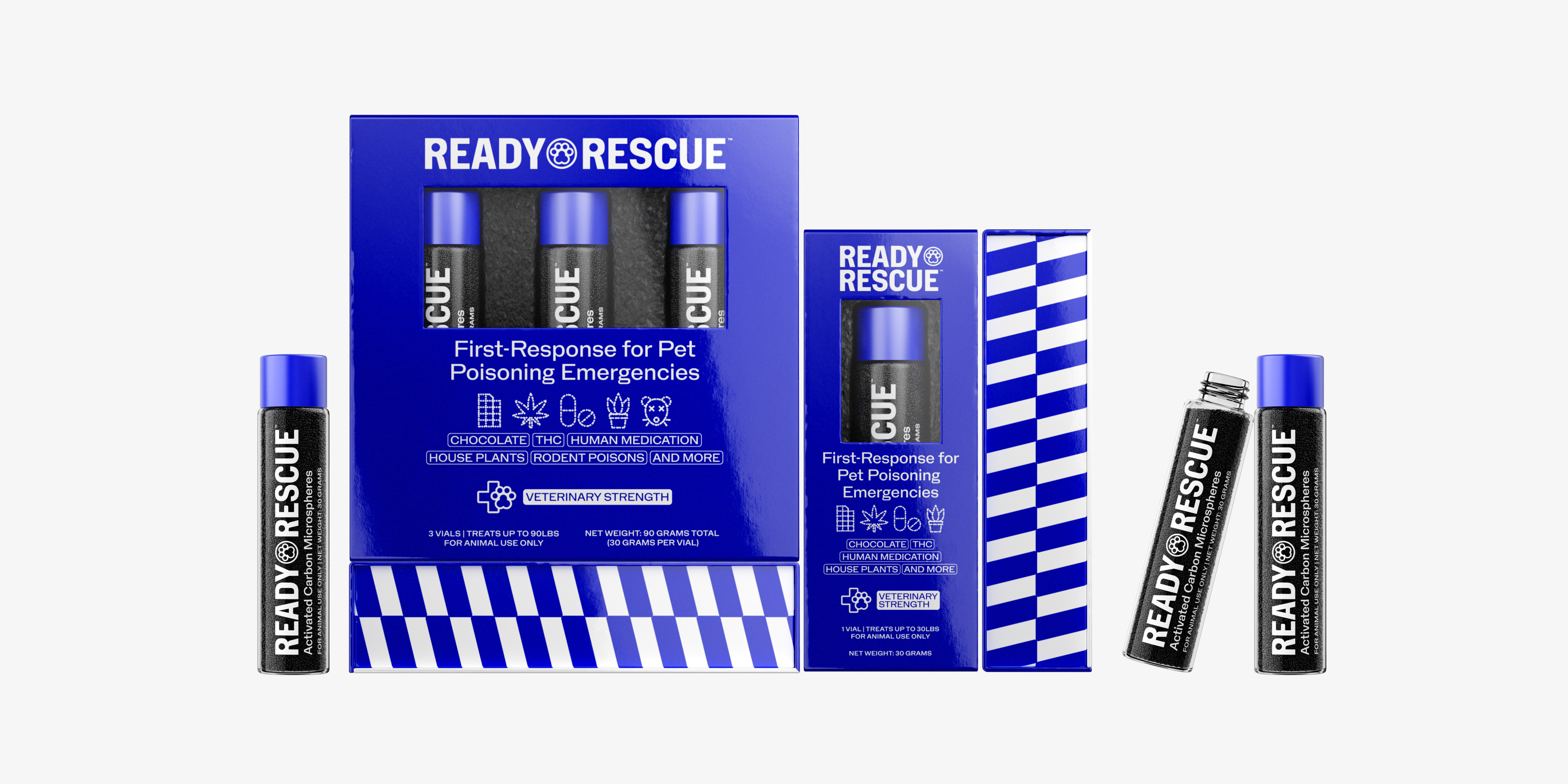
Holiday Toxicity Season Is Coming. Activated Charcoal Doesn't Have to Be the Messiest Part of It.
For veterinary teams, the holidays bring a familiar increase in opportunities for accidental toxin ingestion. Chocolate remains one of the most common pet exposures reported to poison-control centers, while human medications, foods, and supplements routinely rank among the leading causes of pet poisoning.
Now Available: 16 New Cat Medications, Treatments and Wellness Products
A recent spike in cat ownership is good news – and the even better news? There are now more medications than ever to treat cats with.
What is in store for microchip technology?
For many pet owners and veterinary professionals, microchipping is considered a standard part of responsible pet care. Yet despite widespread adoption, the core technology behind pet microchips has remained largely unchanged for decades. Learn more about how this technology may be quickly evolving.