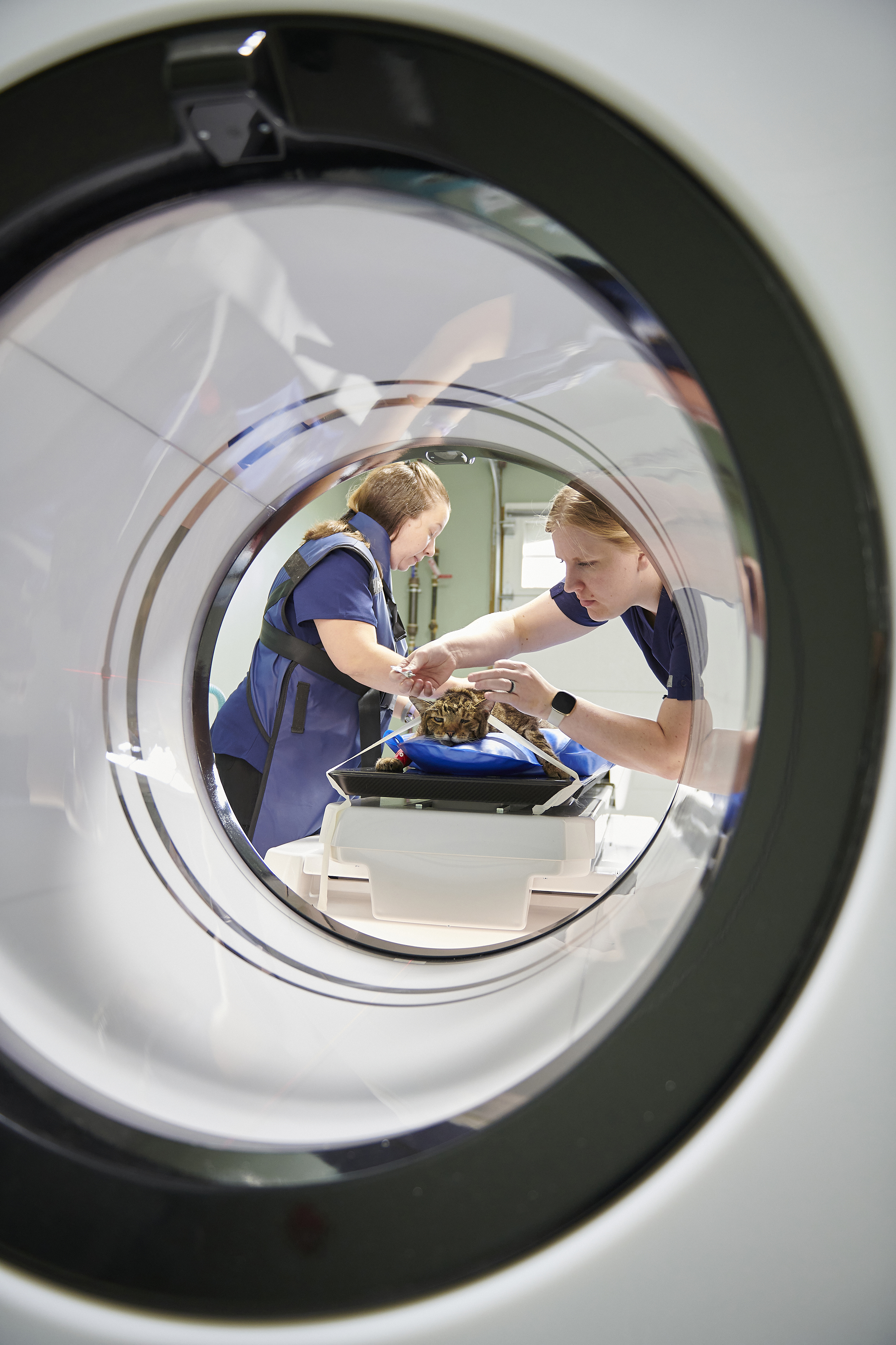
Once found only in referral centers, CT technology has evolved dramatically. New flat-panel systems, faster acquisition times, and more accessible pricing have opened the door for general practitioners to bring advanced imaging in-house.
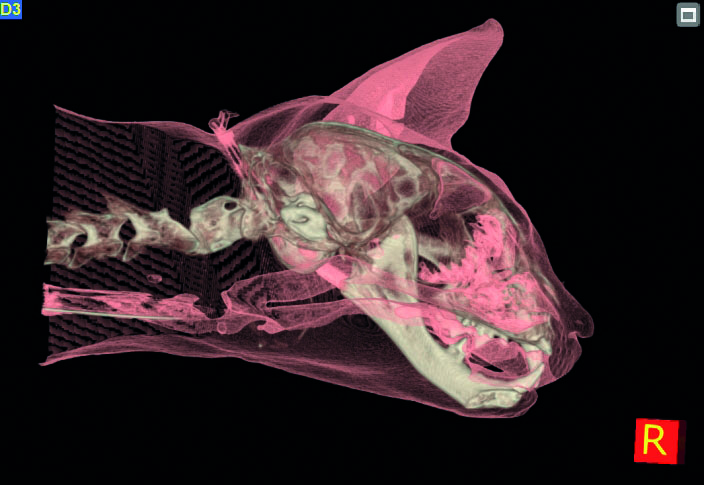 A closer look at the technology
CT imaging isn’t new to medicine. It has long been a mainstay in human healthcare, continually advancing in speed, resolution, and availability. What’s new is its accessibility to veterinary general practice.
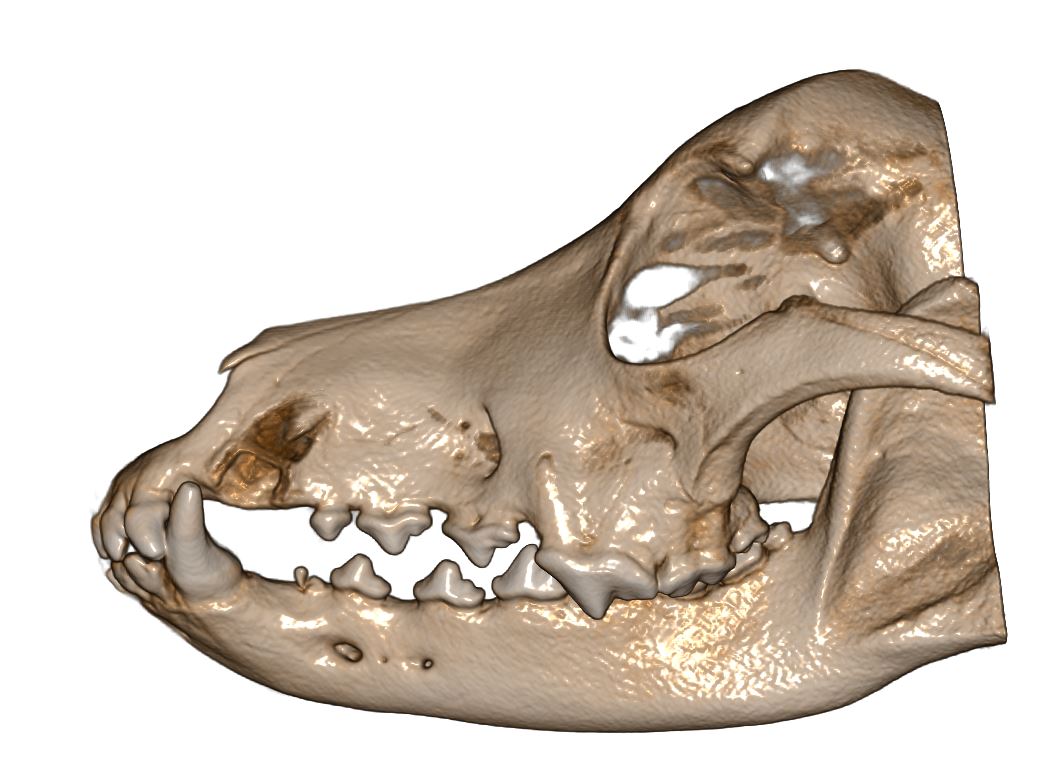
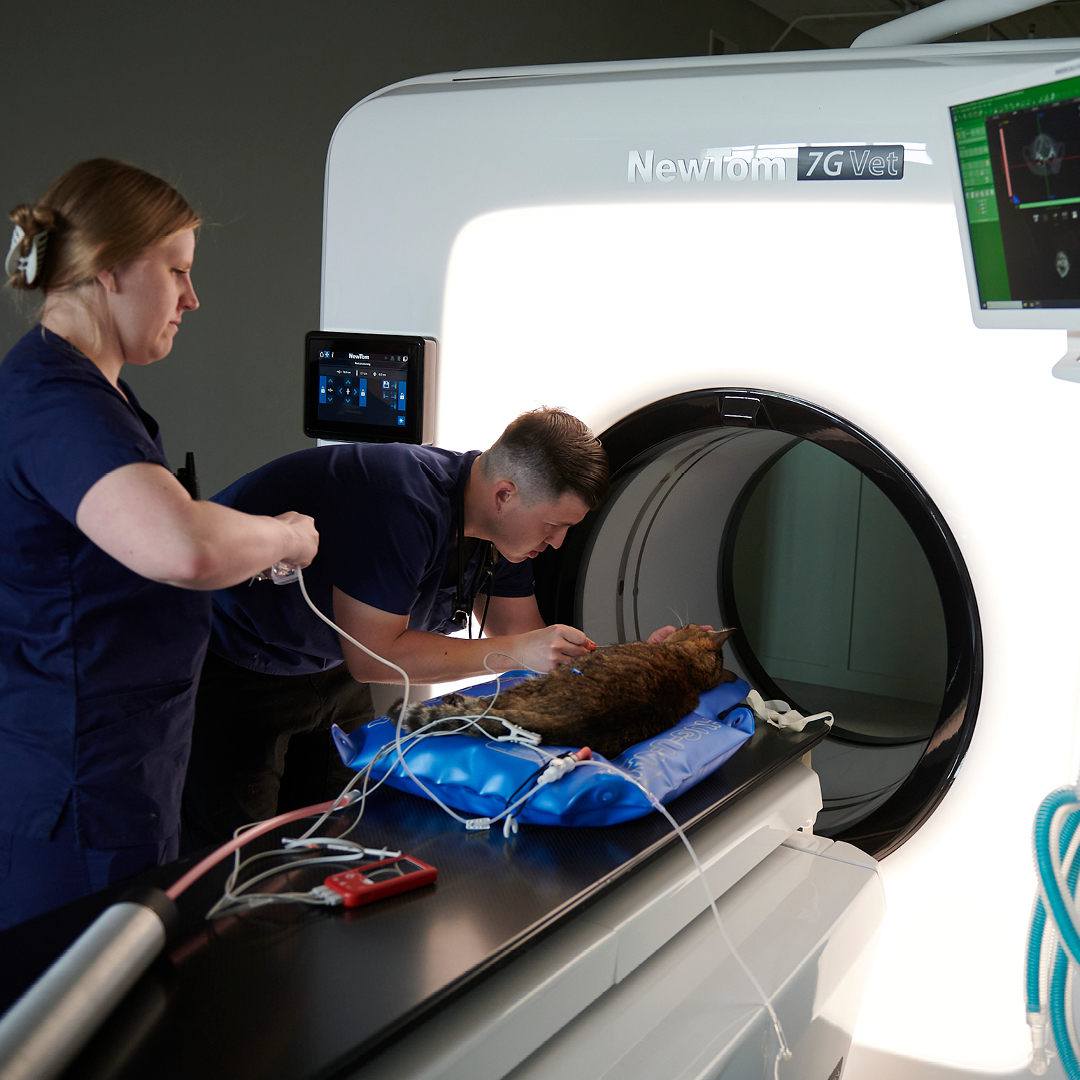
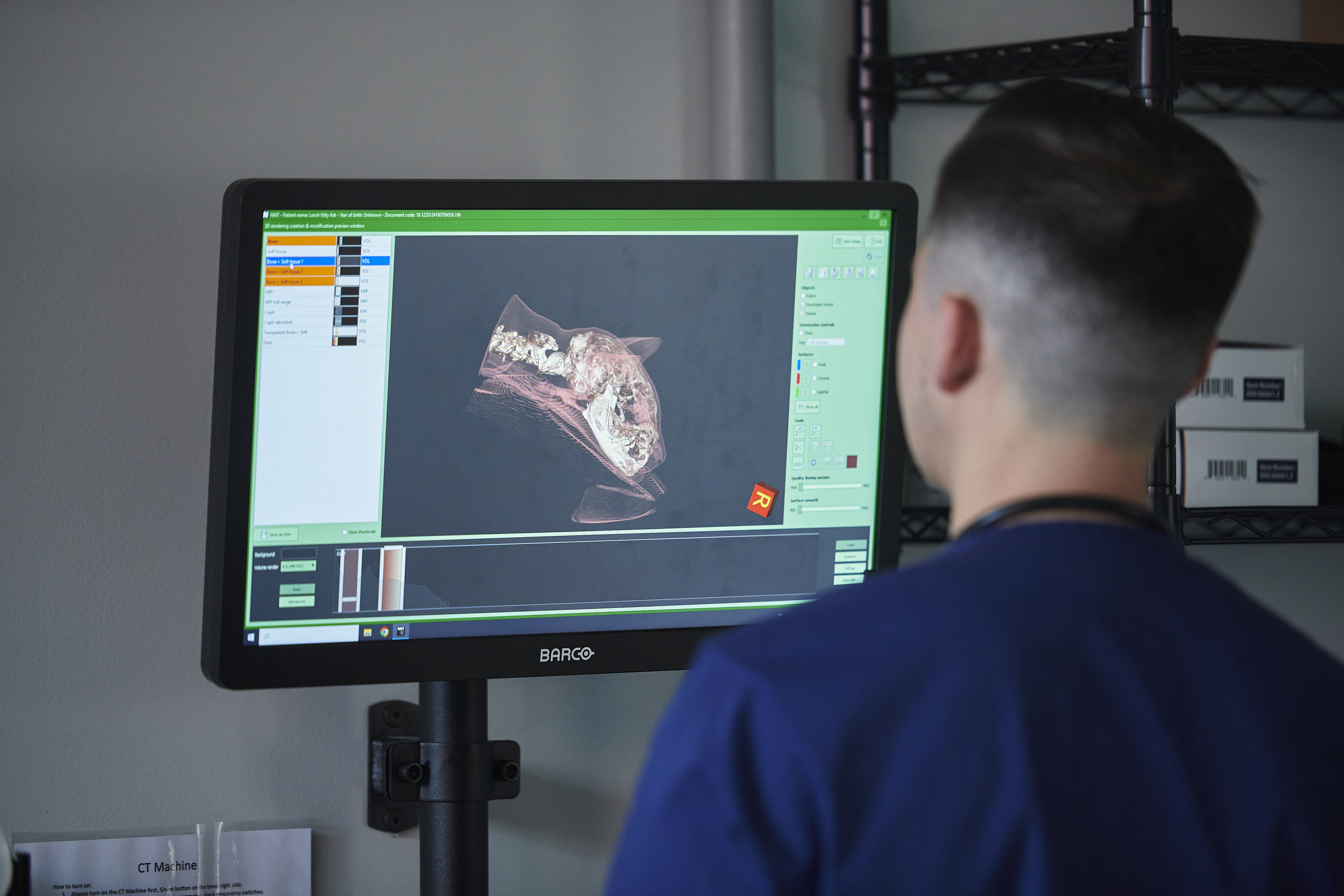
Modern veterinary CT systems can complete a scan in seconds, generating crisp, detailed images of bone, soft tissue, and even dental anatomy. The clarity empowers clinicians to make faster, more confident decisions.
In everyday practice, CT offers:
- 3D, high-definition imaging for precise visualization of internal structures.
- Faster acquisition times, with scans often completed in under 20 seconds.
- Flexible applications across dentistry, orthopedics, oncology, neurology, and soft-tissue cases.
- AI-driven potential, as evolving software continues to streamline image interpretation and treatment planning.
These advancements make CT not only powerful but practical for everyday veterinary use.
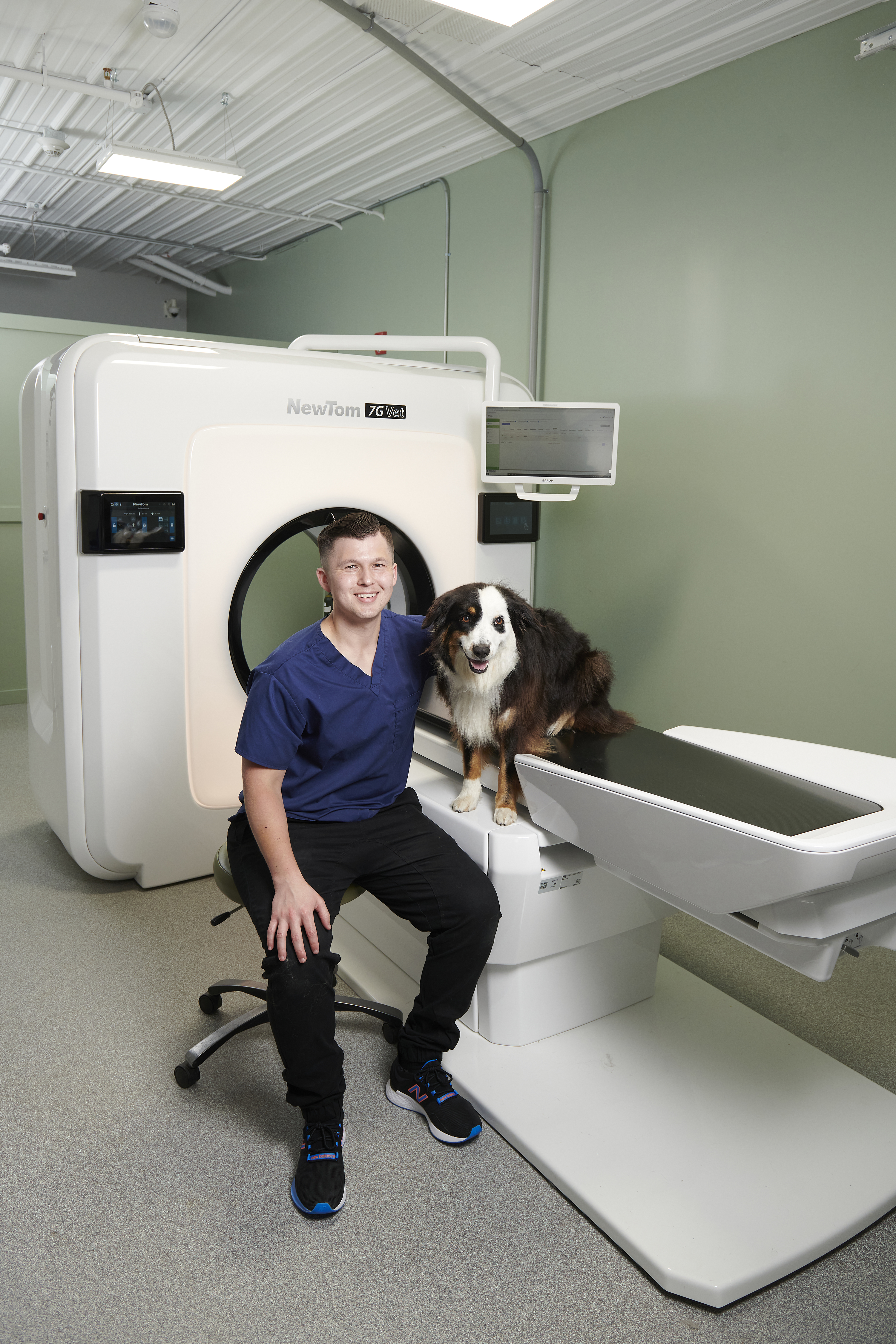
Integrating CT
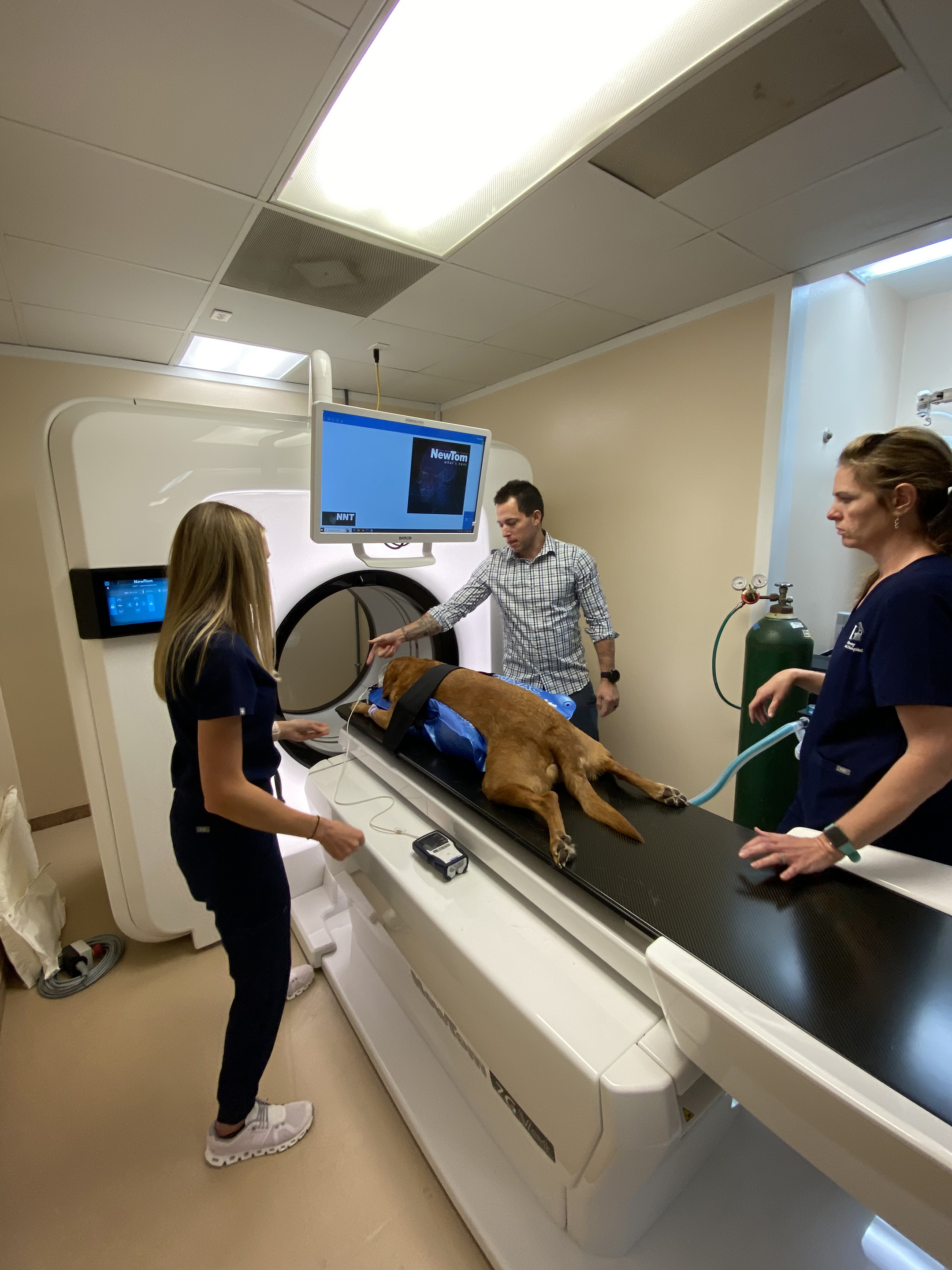
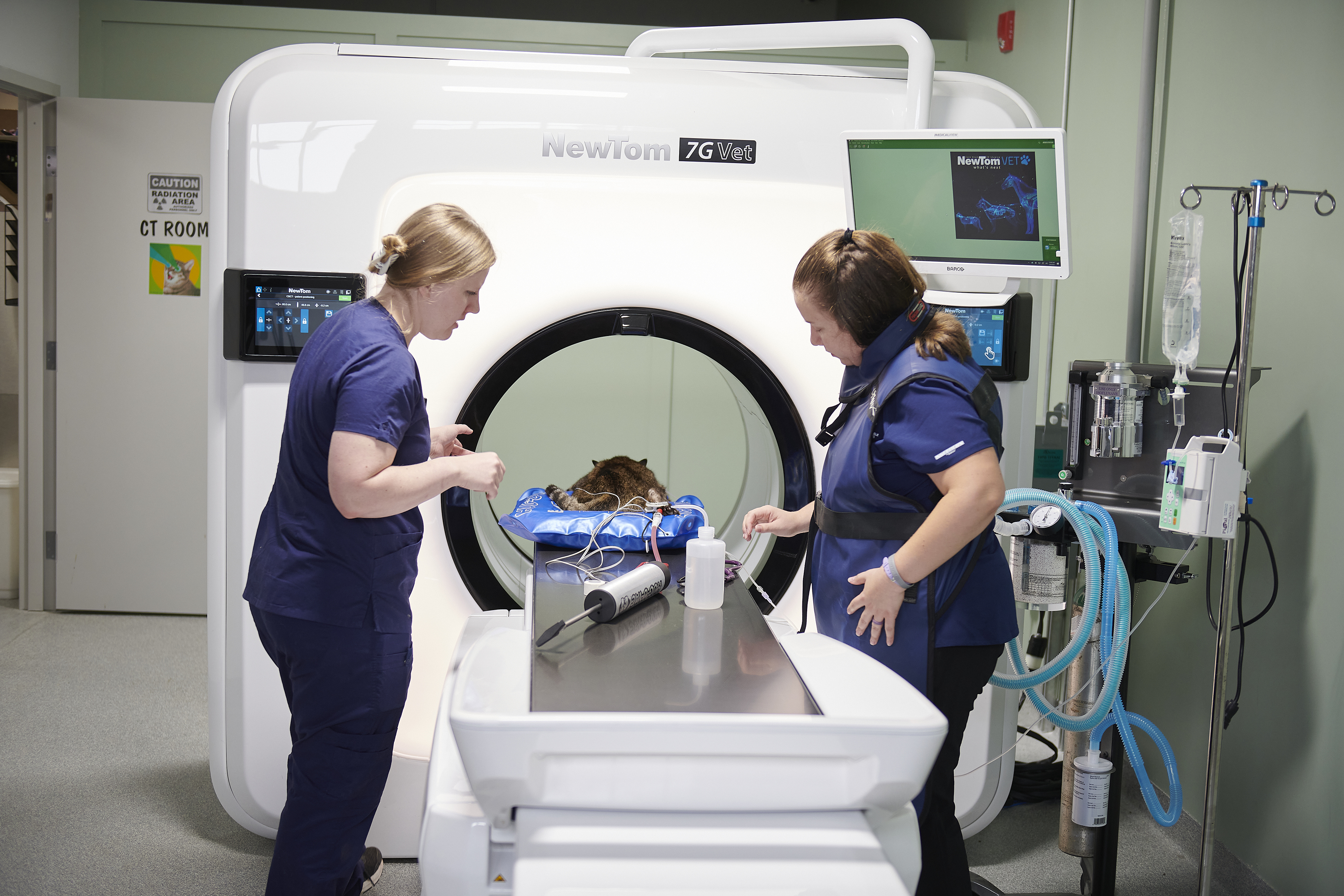
One of the early misconceptions about CT was that it would disrupt daily operations. In reality, practices that have adopted the technology find that it integrates smoothly into existing workflows.The learning curve is surprisingly gentle. Technicians often pick up the process quickly, and veterinarians can start interpreting routine cases within a short time. The payoff is substantial, and the scans are typically scheduled much like surgical procedures: the patient is sedated or anesthetized, scanned in seconds, and recovered under standard protocols.
For busy general practices, the operational gains are invaluable. Tasks that once took 20 to 30 minutes can now be completed in a fraction of the time, freeing up staff for additional appointments or procedures.
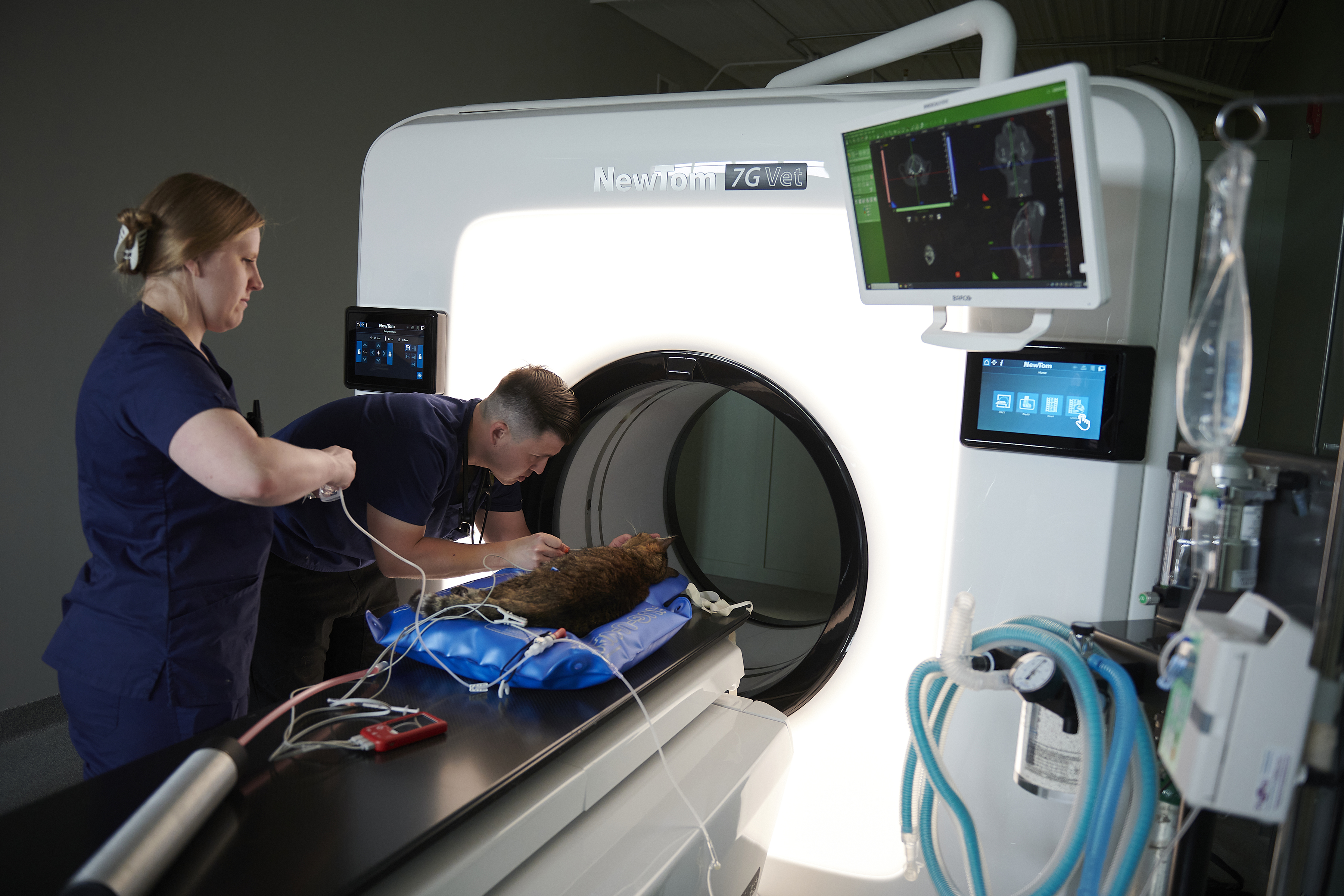
Improving patient and client experience
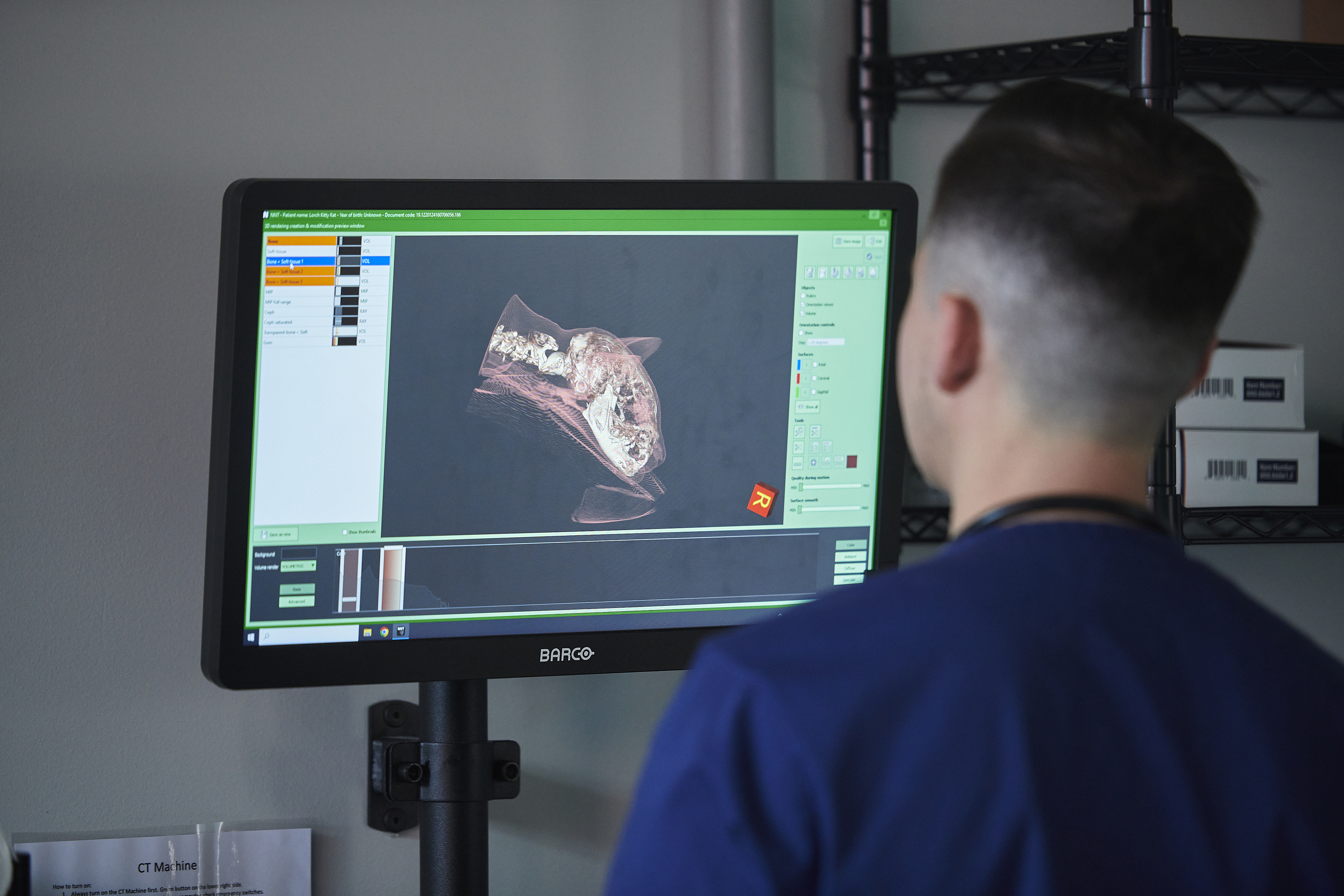
For pet owners, CT imaging represents clarity and peace of mind. The ability to get answers quickly without the added stress, cost, or travel associated with specialty referrals creates a better overall experience. This convenience builds trust.With clear 3D visuals, veterinarians can walk clients through what’s happening inside their pet’s body, turning abstract radiographs into tangible understanding. Seeing the problem firsthand often helps owners make informed, confident decisions about treatment options.
CT imaging doesn’t just improve diagnostics; it elevates the entire client experience. Transparency fosters trust, and trust builds loyalty.
Sharper diagnostics, broader applications
CT’s diagnostic versatility is another reason it’s becoming a mainstay in general practice. Its most common uses include:- Dentistry: Full-mouth imaging in seconds.
- Sinuses and ears: Clear visualization of chronic issues or infections.
- Spine and orthopedics: Detecting intervertebral disc disease, fractures, and joint pathologies.
- Thorax and soft tissue: Identifying hidden tumors or lesions.
Beyond these, CT is now used across dozens of diagnostic categories, from oncology and neurology to trauma and internal medicine. For many veterinarians, CT has become an indispensable tool across species and specialties.
Practice growth and economics
For many clinics, CT has proven not only a diagnostic breakthrough but a practical business investment. Some practices use it as a referral service, offering scans and radiology reports at market rates. Others take an in-house approach, keeping prices accessible to drive volume and generate downstream revenue from related procedures.Both models work, but the result is consistent: practices see higher caseloads, improved staff proficiency, and greater financial stability.
Transforming team culture
Technology doesn’t just transform medicine; it transforms culture. Teams gain a renewed sense of pride when they work with advanced tools and deliver clearer answers to clients.For many clinics, the excitement around new capabilities re-energizes staff and reignites curiosity among technicians and doctors alike. It’s also a powerful recruiting advantage; today’s veterinary graduates seek workplaces that reflect the high-level diagnostics they were trained to use.
Simply put, CT helps attract top talent while strengthening engagement among existing team members.

Future of veterinary imaging
CT imaging is poised to become a new standard in veterinary diagnostics, particularly in dentistry and orthopedics. As resolution improves, scan times shorten, and AI software matures, CT will only grow more integral to daily practice.That evolution will make CT even more accessible for everyday use, allowing clinics of all sizes to raise their diagnostic capabilities and better meet client expectations for modern, human-grade medicine.
CT imaging isn’t just about sharper images – it’s about a sharper vision for veterinary medicine.
Conclusion
In the end, CT imaging represents more than technological progress; it marks a cultural and professional shift in how veterinary teams approach medicine. It enables better outcomes for patients, deeper trust with clients, stronger financial sustainability for practices, and renewed pride for veterinary teams.For practices considering their next step in innovation, CT is no longer a distant dream. With the right partner and support, bringing CT into your workflow can redefine what’s possible for patients, clients, and your entire team.
Patterson Veterinary continues to collaborate with clinics nationwide to make advanced imaging more accessible, supporting veterinarians in delivering the highest standard of care.
To dive deeper into the real-world data, key points, and direct quotes from experts, get the full “Behind the Technology” white paper.
Share
Related blogs

The Hidden Costs of Old Imaging Equipment in Veterinary Practices
Outdated imaging equipment comes with a series of hidden costs – costs that creep into diagnostics, staff efficiency, patient care, and ultimately, your bottom line. Some of these costs are obvious (like repair bills), but many are harder to spot until they’ve already drained significant time and resources.
So what’s really at stake when you keep using aging technology?
So what’s really at stake when you keep using aging technology?
Top Digital Imaging Trends for 2026
The future is now as veterinary imaging sees several emerging technologies, ones which may reshape how veterinarians diagnose and treat disease. Not only is imaging evolving but a rise in the number of general practices adopting in-house CT systems as part of their diagnostic capabilities is being reported. Learn more about these advancements and what they can mean for you in 2026.
Digital Imaging Buyers Guide
In today’s veterinary world, digital imaging is no longer a luxury – it’s a necessity. But with so many systems, features, and price points to choose from, finding the right fit for your practice can feel overwhelming. In our latest white paper, two industry experts and advanced imaging consultants share practical advice, hard-earned lessons, and key questions to ask before you invest. Here’s a sneak peek at what they had to say.