.jpg)
Part of the challenge is when dental education happens. As Devon Crandell, MBA, MSML, RVT/LVT, noted in a February 2025 article for the AAHA publication Trends, “Pets need dental care, too—but not just during National Pet Dental Health Month.” And while many practices concentrate education and marketing efforts in February, pet owner concern about dental health doesn’t disappear once the month ends.
In fact, growing year-round interest in pet dental wellness is clearly reflected in market trends. Rising pet humanization and wellness awareness are prompting pet owners to seek out dental chews and treats that help reduce plaque, tartar, and bad breath. Further, the U.S. market for functional dog chews and treats alone is projected to grow from $2.97 billion to $4.42 billion by 2032 (per Credence Research), signaling sustained, ongoing concern—not just seasonal interest.
So why isn’t this growing awareness reflected in dental appointment schedules?
Practices Must Meet Pet Owners Where They Are
Pet owners care deeply about their animals’ health, but dental disease is often misunderstood, minimized, or overshadowed by financial concerns. So, the key to improving compliance isn’t pushing harder. It’s consistently meeting pet owners where they are with relevant, empathetic, and easy-to-understand education year-round.Below are five practical, communication-first strategies veterinary teams can use to raise awareness, build trust, and ultimately increase pet dental appointments, without adding more work to already busy days.
1. Start by Understanding What Pet Owners Already Know
Every dental conversation is more effective when it’s personalized. Some pet owners may already brush their pet’s teeth regularly, while others may not realize dental disease can impact overall health.Using a short dental awareness checklist or quick verbal assessment helps uncover:
- Common misconceptions (e.g., “bad breath is normal”)
- Knowledge gaps around aging, diet, or at-home care
- Concerns about cost or anesthesia
Tip: Practices can use ready-made checklists to quickly assess awareness and guide more meaningful dental conversations.
2. Clarify Myths Around Pet Oral Care Products
Pet owners are actively thinking about their pet’s oral health, as evidenced by the rising sales of dental chews, treats, and dental diets. However, many assume these products replace professional dental care, creating a valuable opportunity for education.You can position your practice as a trusted partner in their pet’s long-term health, rather than just a provider of services, by explaining that:
- Not all dental chews are equally effective
- Some products may even do more harm than good
- Professional exams are still essential for detecting hidden disease
3. Address Financial Concerns Early and Honestly
Cost is one of the biggest barriers to scheduling dental procedures, but ignoring it doesn’t make it go away.Instead, proactive education can reframe the conversation:
- Early detection often prevents more costly procedures later
- Dental disease has been associated with systemic issues like heart, kidney, and metabolic disease
- Preventive care protects both quality of life and long-term costs
Empathy goes a long way here. Acknowledge concerns openly and focus on prevention, value, and outcomes rather than price alone.
4. Maintain Consistent Year-Round Dental Education
Instead of limiting dental conversations to one month of the year, have these conversations early and often. You can normalize dental care as a routine part of overall wellness with consistent, low-pressure education across:- Wellness visits
- Puppy and kitten appointments
- Senior pet checkups
- Digital touchpoints like websites and email reminders
5. Support Pet Owners Before and After the Appointment
Dental compliance doesn’t stop once an appointment is booked.Ongoing client education helps pet owners feel confident and supported every step of the way. For example, educating pet owners on topics like:
- Why anesthesia is necessary, and the risks and limitations of anesthesia-free dental procedures
- Post-appointment home care, including brushing techniques
- The connection between nutrition and oral health
Make Dental Education Easier with Ready-to-Go Resources
Delivering this level of education doesn’t have to mean more work for your team, though.To support pet dental conversations even further, download our complimentary Pet Dental Health Awareness Kit, which includes:
- An infographic with five suggested communication approaches to meet pet owners where they are
- A checklist to assess client pet dental health awareness and tailor your recommendations
- Ready-to-use social media images to reinforce pet dental health education
- Two educational handouts for clients that you can share
- Save time on client education
- Improve communication and compliance
- Increase dental appointment bookings year-round
Share
Related blogs
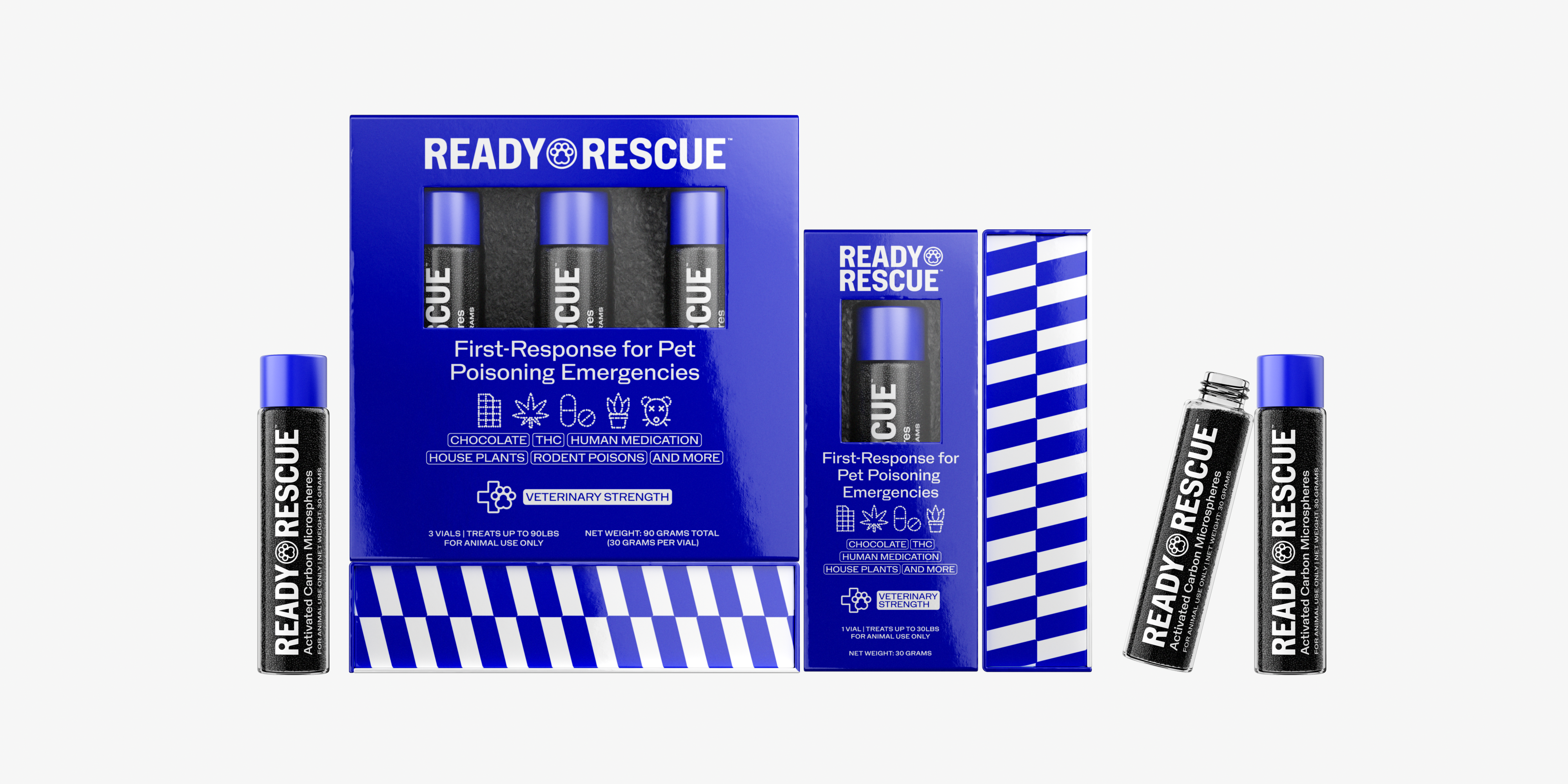
Holiday Toxicity Season Is Coming. Activated Charcoal Doesn't Have to Be the Messiest Part of It.
For veterinary teams, the holidays bring a familiar increase in opportunities for accidental toxin ingestion. Chocolate remains one of the most common pet exposures reported to poison-control centers, while human medications, foods, and supplements routinely rank among the leading causes of pet poisoning.
Now Available: 16 New Cat Medications, Treatments and Wellness Products
A recent spike in cat ownership is good news – and the even better news? There are now more medications than ever to treat cats with.

5 Tips for Managing Summer Pet Stress
Firework season is here! For many dogs, loud, unexpected noises and sudden flashes can trigger anxiety, pacing, fence running, injuries, and other safety concerns.
Here are our 5 top tips for helping reduce unnecessary anxiety.
Here are our 5 top tips for helping reduce unnecessary anxiety.